

Introduction
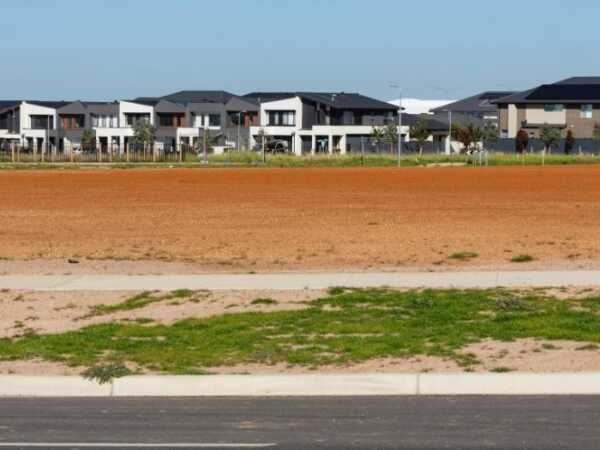
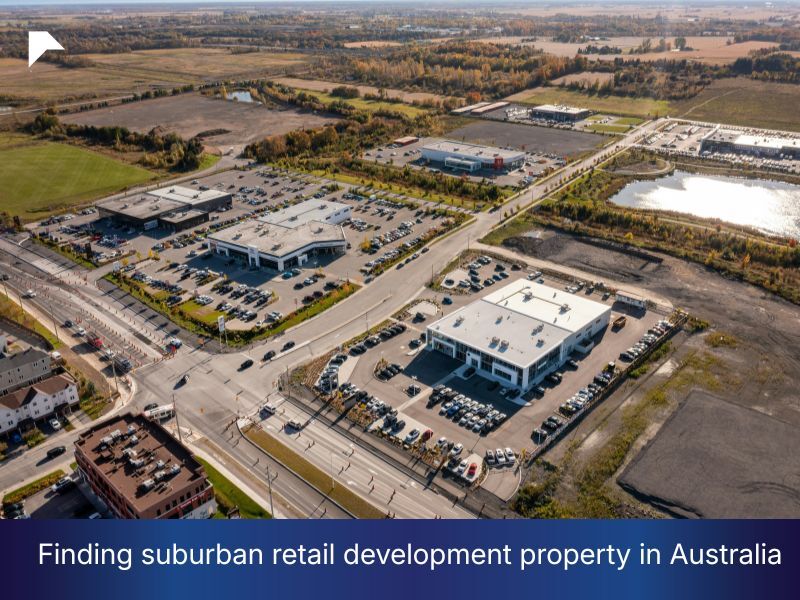
The strongest retail opportunities in Australia are no longer confined to CBDs. In many cases, they are sitting in plain sight in suburban centres, supported by population growth, new infrastructure and steady, localised demand.
As inner-city sites become more competitive and expensive, attention has turned to neighbourhood centres, strip retail and mixed-use precincts across middle-ring suburbs. These locations can offer a more balanced risk profile when aligned with the right catchment and planning framework.
This guide sets out a practical, research-led approach to suburban retail development. It covers how to define a clear acquisition strategy, identify viable sites, assess planning feasibility, and progress opportunities through to acquisition and delivery with greater confidence.
Defining a clear investment brief
A clear investment brief is the starting point for any serious suburban retail search. Without it, time is quickly lost on sites that sit outside financial or strategic intent.
The brief should set out target returns, preferred asset type and scale, and key physical requirements such as site size, frontage and parking capacity. These parameters provide a simple filter for decision-making as opportunities come through.
Location needs equal clarity. Decisions based on population growth, household income and retail spending data are more reliable than assumptions about demand. Suburban areas with steady population growth, supported by infrastructure investment or nearby employment hubs, tend to offer more consistent long-term performance.
Identifying the right suburban markets
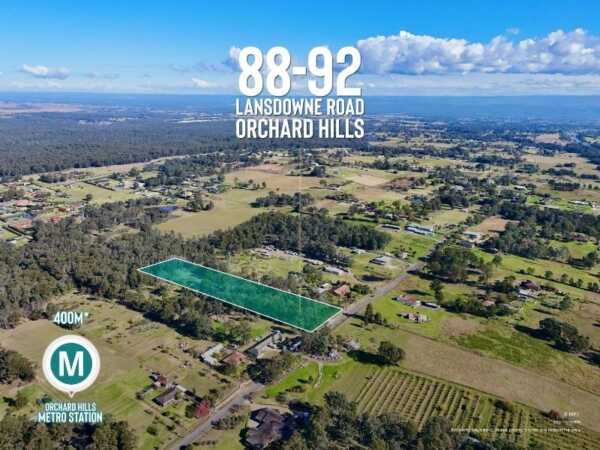
The strongest suburban retail opportunities tend to sit in growth corridors or suburbs in transition. These are areas where new transport links, residential expansion or emerging employment hubs are steadily lifting local demand for convenience and service-based retail.
Understanding catchment dynamics is critical. Catchment analysis is central to identifying these locations. Simple radius-based measures often miss how people actually move through suburban environments. Drive-time analysis provides a more accurate view of real access and behaviour. This helps identify gaps where additional retail development is genuinely supportable.
Building a structured site search process
Finding suburban retail sites requires a combination of planning research, marketplace analysis and direct engagement with local networks. Planning portals should be the starting point, as they provide the most accurate insight into zoning, overlays and development controls. Identifying zones that support retail use and constraints such as flood or heritage overlays will help you to filter out unsuitable sites.
Listing platforms should be your next step. These will surface available opportunities, but they should be treated as just one part of the process. Many viable sites are not widely marketed. For that reason, broker relationships, agent networks and local contacts remain essential to building a full view of supply.
Direct outreach to landowners, particularly those holding underutilised sites, can uncover opportunities before they reach the broader market. This approach requires consistency and a clear, credible view of how a site could be repositioned.
Shortlisting sites and testing feasibility
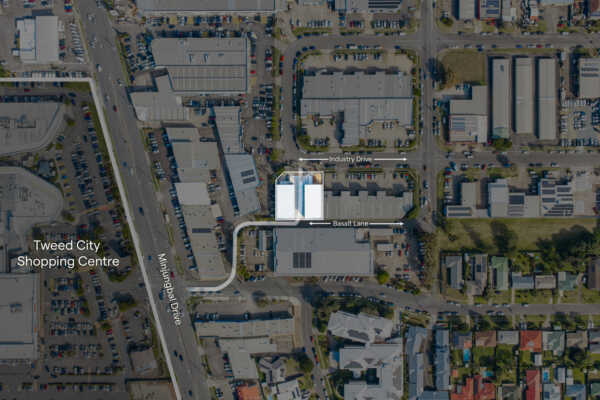
Once potential sites have been identified, rapid assessment becomes critical. Physical characteristics such as site area, frontage and accessibility influence both design efficiency and tenant appeal. Topography, drainage and utility connections can introduce additional costs that need to be factored into feasibility.
Planning controls must be reviewed in detail, including zoning permissibility, development standards and any overlays that may affect approval pathways. These factors determine not only what can be built, but also how long it may take to secure approvals.
Preliminary feasibility should be done early to establish whether a site aligns with your financial expectations. This involves estimating achievable floor area, construction costs and potential rental income, then working backwards to determine a viable land price. Building in sensitivity analysis is particularly important, as small changes in rent or cost assumptions can significantly impact outcomes.
Understanding planning, rezoning and approvals
Planning processes are often where projects encounter delays or cost increases. Rezoning or development approval timelines vary depending on complexity, location and the presence of overlays or referral requirements. Community consultation, infrastructure contributions and technical assessments can all extend timeframes beyond your initial expectations.
Engaging with the council early will give you clarity on approval pathways and potential constraints. Pre-lodgement discussions can be used to highlight issues such as parking requirements, access considerations or infrastructure obligations, allowing these to be addressed before you make any formal submission.
Costs associated with planning and approvals should be incorporated into your feasibility from the start. These include consultant fees, application costs and potential contributions, all of which can materially affect project viability.
Structuring finance and assessing returns
Financing suburban retail developments typically involves a combination of senior debt and equity, with capital structures influenced by project scale, sponsor experience and perceived risk. Lenders generally require a clear feasibility position, realistic contingencies and evidence of demand, particularly where pre-leasing or anchor tenants are involved.
Return expectations should be aligned with project risk. Smaller developments often target higher internal rates of return, while stabilised assets are assessed based on yield and long-term income potential. Testing feasibility under multiple scenarios will help to ensure your returns remain viable under different market conditions.
Conducting comprehensive due diligence
Due diligence covers four key areas: planning, physical, commercial and legal considerations. Planning due diligence involves confirming zoning, reviewing development controls and identifying any agreements or obligations attached to the site. Physical assessments should focus on site conditions, services and potential constraints such as contamination or environmental factors.
Commercial due diligence requires an understanding of local demand, tenant mix and rental benchmarks. Analysing comparable developments and existing retail supply will help determine whether the proposed development is supported by the market.
Legal review is vital to ensure the contract terms appropriately manage risk, particularly in relation to planning approvals, environmental conditions and financing requirements.
Negotiating and securing the site
Valuation of suburban retail sites should be based on development potential rather than comparable land sales alone. Residual valuation methods, based on feasibility outcomes, provide a more accurate basis for negotiation.
Contracts should include conditions that protect against key risks, such as failure to secure approval or unforeseen site issues. Establishing appropriate due diligence periods and structuring deposits in stages will provide flexibility.
Transitioning from acquisition to delivery
Once a site is secured, your focus should shift to progressing approvals, finalising design and securing finance. Clear allocation of responsibilities across planning, design and delivery teams is essential to maintain programme timelines.
Your construction programmes should be realistic, with allowances built in for approval lead times and build duration. Retail developments often benefit from staged delivery approaches, particularly where tenant fit-outs can be deferred to reduce your initial capital requirements.
Practical application through feasibility
Feasibility is where suburban retail sites are ultimately tested. A simple, structured model is often enough at this stage to separate viable opportunities from those that don’t stack up.
That process starts with estimating the achievable floor area, then applying current construction and soft cost assumptions. From there, projected income and yield are used to test whether the site can meet required return thresholds under realistic conditions.
What becomes clear quickly is sensitivity. Small shifts in costs, rents or yield expectations can materially change outcomes. For that reason, conservative assumptions should be the baseline for any credible assessment.
Final perspective
Suburban retail development is an increasingly promising segment of the development sector, but only when approached with discipline and evidence rather than assumption. Success hinges on how well site selection aligns with planning controls, local demand and financial reality, rather than any single advantage.
Developers and investors who consistently perform in this space are those who focus on structured sourcing, early validation and realistic feasibility are better positioned to identify high-quality opportunities and execute with confidence.