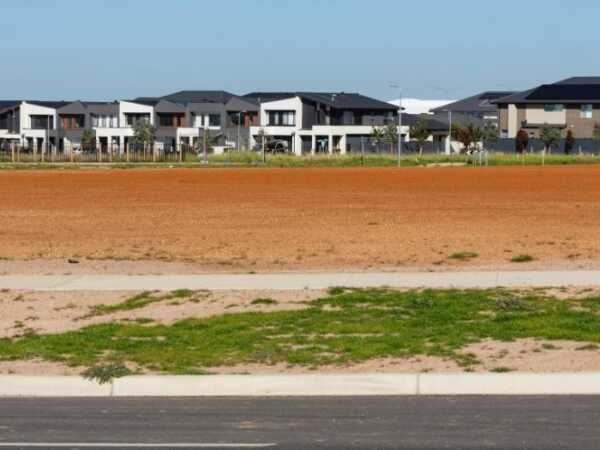


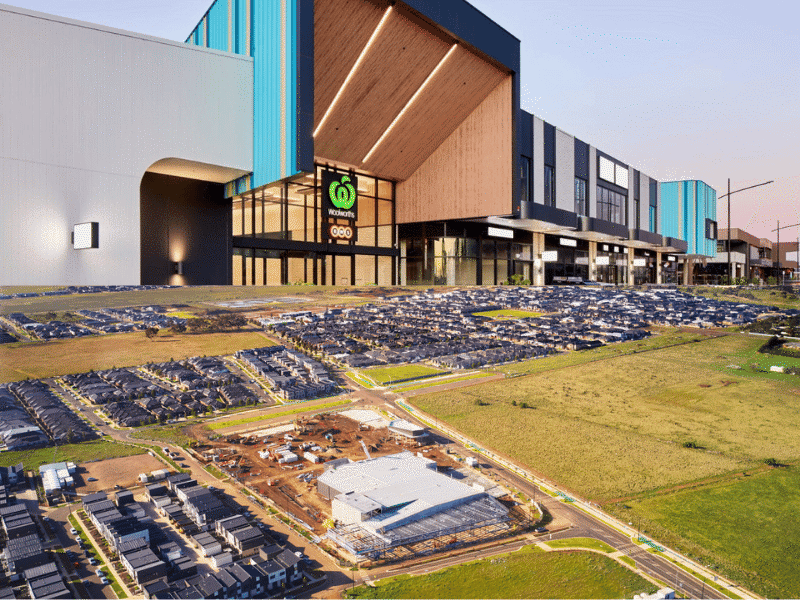
Victoria's population is tracking toward 10 million by 2050, with Greater Melbourne and its surrounding regional centres driving the bulk of that growth. In many of these corridors, retail supply has not kept pace - leaving residents underserved by everyday convenience options.
“If you go to the growth corridors, there's not enough retail supply commensurate with the population,” says Arton Meka, founder of Victorian-based leasing advisory Neim. “There is an abundance of retail that needs to be built over the coming decades.”
The gap shows up in daily life. In some newer estates, residents have had to travel well outside their immediate neighbourhood for basics like milk and a newspaper — a sign of just how far infrastructure has lagged behind rooftops.
What tenants are in demand
- Household spending across the sector has tilted toward essentials, and that shift is shaping which tenants are winning space in new centres:
- Supermarkets remain a consistent performer and the anchor tenant of choice in most greenfield centres
- Medical and pharmacy operators continue to trade strongly and are increasingly sought after as early commitments
- Retail fuel, drive-thru QSR and childcare operators are showing strong appetite for growth-corridor sites
- Gyms have moved from discretionary to near-essential spend, with operators expanding into recovery zones, wellness offerings and class-based programming
Local specialists - cafés, restaurants, takeaway, fresh food, butchers, international grocers, independent bottle shops, and personal services like barbers, beauty and nail salons — round out the tenant mix and give centres the “village feel” residents are looking for.
“People are now considering gym memberships non-discretionary - it has to be part of their weekly spend,” Meka says. “Gyms are creating communities of health-conscious individuals who want more out of life.”
Developers are seeking market intelligence earlier
One notable shift in the sector is timing: developers are increasingly bringing leasing advisors into the process before a shopping centre is designed, rather than after.
“In most cases, we're sitting down with the developer either before or just after they've bought the site, and we're working through the design of the shopping centre to make sure it's relevant to that community,” Meka says.
That earlier involvement is being used to inform tenant mix, precinct planning, and leasing and marketing strategy — data-led decisions made before construction costs and design are locked in. With build costs continuing to climb, advisors say this kind of upfront strategy is increasingly what separates a centre that leases successfully from one that stalls.
Outlook
Despite ongoing volatility in the broader property market, sentiment among retail leasing specialists in Victoria remains firm.
“Retail is still very much doing well and thriving in Victoria, and there is no better time to gear up if you ask me,” Meka says.
With population growth continuing to outstrip supply across the state's growth corridors, demand for well-planned, community-anchored retail is expected to remain a defining feature of the Victorian market over the next decade.
Arton Meka is the founder of Neim, a retail leasing advisory business with dual offices in Melbourne and Geelong that has worked across greenfield retail projects in Victoria's growth corridors. Neim marked five years in business this August.