


Australia’s commercial real estate market is entering 2026 on steadier ground.
We asked leading experts nationwide to share their insights on the trends, risks, and opportunities likely to shape the sector in the coming months.
From industrial strength and health and education opportunities, to surging demand for shovel-ready land, here are their predictions for the year ahead.
From industrial strength and surging social-infrastructure demand, to a race for shovel-ready land, here are their predictions for the year ahead.
Confidence on the Rise
After a rollercoaster couple of years, investors are shaking off caution and hunting opportunities in a market that’s finally found its footing.
In New South Wales, Vincent West, Director of Commercial at Upstate, said early-year RBA rate cuts helped restore confidence, even if the rebound was gradual. “Investors are more selective, focusing on income stability, tenant quality and rental growth rather than just chasing yield,” he said.
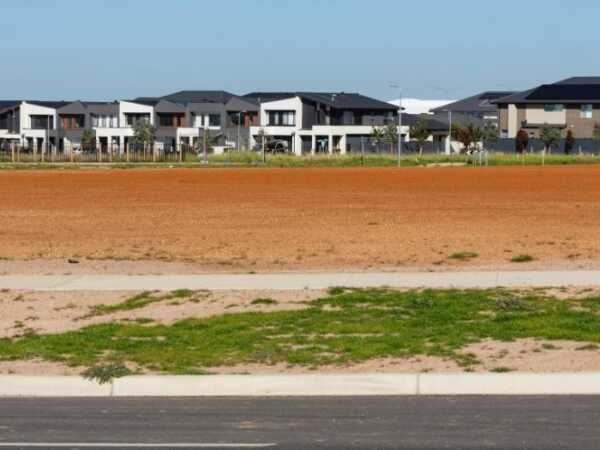
Trent Malcomson, Director of Land at Core Projects in Victoria, highlighted tight supply, delayed planning approvals, and improving retail lot sales. “Inquiry levels have lifted materially across the year, and sentiment has strengthened,” he said.
Queensland’s commercial sector remains buoyant, according to Ray White Special Projects directors Mark Creevey, Tony Williams, and Matthew Fritzsche, supported by population growth, constrained supply, and consistent buyer appetite.
South Australia is now “firmly on the radar for local and interstate capital”, according to Mitch Curnow, Director of Commercial at Leedwell.
Meanwhile, Tony Romano, Managing Director of NAI Harcourts Perth, said WA’s unique mix of resources, industry strength and population inflows had created a robust and opportunistic market.
Assets Under the Spotlight
From bustling industrial hubs to scarce residential land, certain assets are stealing the limelight as buyers hunt for stability and upside.
In NSW, industrial and convenience-based retail are in high demand, driven by strong occupier activity, tight vacancy, and steady income growth. “Healthcare, childcare and self-storage are also popular for their defensive qualities,” Mr West said.
Residential land is red-hot in QLD, with demand far outstripping the supply of serviced sites.
Industrial dominates in SA, while CBD office space is challenged, and retail, large-format, and medical assets offer selective opportunities.
Industrial dominates in SA, while CBD office space is challenged, and retail, large-format, and medical assets offer selective opportunities.
Victoria favours approved or late-stage PSP land and large super lots suitable for higher-value uses such as childcare and aged care. “Underperforming sectors include unapproved land with long lead times, and some regional markets,” Mr Malcomson said.
In Western Australia, industrial and logistics lead, while retail lags. “Health, aged care, and NDIS-related properties are seeing strong tailwinds, consistent with broader demographic trends,” Mr Romano said.
The Forces at Play
Big projects, bold policies, and development bottlenecks are guiding where smart capital flows.
Major infrastructure projects such as the Metro network, hospital expansions, and housing density reforms are driving investor interest in mixed-use corridors and established centres across NSW.
Major infrastructure projects such as the Metro network, hospital expansions, and housing density reforms are driving investor interest in mixed-use corridors and established centres across NSW.
“State planning changes that encourage town-centre revitalisation are also helping neighbourhood retail and medical uses remain attractive,” Mr West said.
QLD’s Regional Infrastructure Fund rollout has unlocked previously constrained development-ready land, according to the Ray White team.
Mr Curnow said all eyes have been on Osborne in South Australia, where recent US commentary on AUKUS has reinforced optimism that local defence projects will go ahead as planned.
However, in Victoria, Infrastructure Staging Plans mean many sites may not be development-ready for years. “This is likely to impact the market in ways we have not previously seen,” Mr Malcomsen said.
And while WA continues to benefit from infrastructure and defence investment, Mr Romano noted a growing frustration at the gap between planning policy and market realities. “Local governments continue to lag the private sector in delivering zoned, serviced land, constraining supply and inflating prices,” he said.
Capital Competition Heats Up
Homegrown investors remain dominant, but international players are making a comeback, pursuing the prime industrial, logistics, and land assets.
In New South Wales, private investors, family offices, and syndicates are the most active, with overseas capital mainly targeting larger Sydney assets or strong industrial portfolios.
QLD continues to attract robust interstate capital, with offshore investors from Asia expanding their footprint into land-based projects and master-planned communities.
Interstate capital remains strong in SA, while international investment is largely confined to residential projects with Southeast Asian links.
In Victoria, a mix of local and international capital is competing for a limited pool of de-risked opportunities. “We’d expect more interest in longer-term propositions, particularly from the international market, as headline performance continues to improve across both broad-acre and retail markets,” Mr Malcomson said.
And in WA, domestic capital is king, with international investors increasingly active in the industrial and logistics sector.
“The state’s energy and defence sectors are emerging as quiet magnets for offshore capital looking for geopolitical and resource-linked exposure,” Mr Romano said.
Markets Poised for Growth
With interest rates settling and the market regaining balance, our experts say 2026 promises fresh opportunities for nimble investors.
NSW is well-positioned. “Industrial is expected to remain the strongest performer, neighbourhood retail should stay resilient, and healthcare will continue to expand as a preferred sector,” Mr West said.
Victoria is set for a measured rebound. Mr Malcomson identified three early 2026 themes: fierce competition for large-scale master-planned sites, builders re-engaging earlier in the cycle, and price premiums for projects with clear servicing and planning pathways.
In QLD, the outlook remains overwhelmingly positive. The Ray White team expect structural undersupply of land and housing to keep upward pressure on prices and maintain strong demand for sites with clear planning pathways or ‘shovel-ready’ status. Opportunities lie in well-located subdivisions, townhouse and mid-rise projects, and land-lease communities.
The WA market remains bullish, with opportunities in health and education facilities, regional diversification, and build-to-rent projects.
“The challenge for investors is to recognise that Western Australia is no longer the ‘next’ growth market,” Mr Romano said. “It already is one - and it’s no longer cheap to play catch-up.”