

New CBRE research estimates potential excess demand for around 185,000 purpose-built student accommodation (PBSA) rooms nationally.
The Australian Student Accommodation 2026 report estimates PBSA currently serves just 7 per cent of university students, or one bed for every 15 students.
The imbalance is particularly acute around major university precincts.
We spoke to CBRE’s Senior Director of Living Sectors, Rosie Young, and Head of Research, Sameer Chopra, to find out what this means for investors and developers.
Supply still short of the mark
Australia’s PBSA pipeline is growing, but not fast enough to close the gap.
CBRE estimates around 34,000 new PBSA beds could be added nationally between 2026 and 2029, representing a roughly one-third increase on current stock.
Yet even if those projects are delivered, PBSA penetration would rise to only about 9 per cent of university students.
The relatively low penetration rate leaves Australia well behind global markets, where PBSA can account for one bed for every two or three students.
The opportunity is particularly pronounced in Sydney and Melbourne.
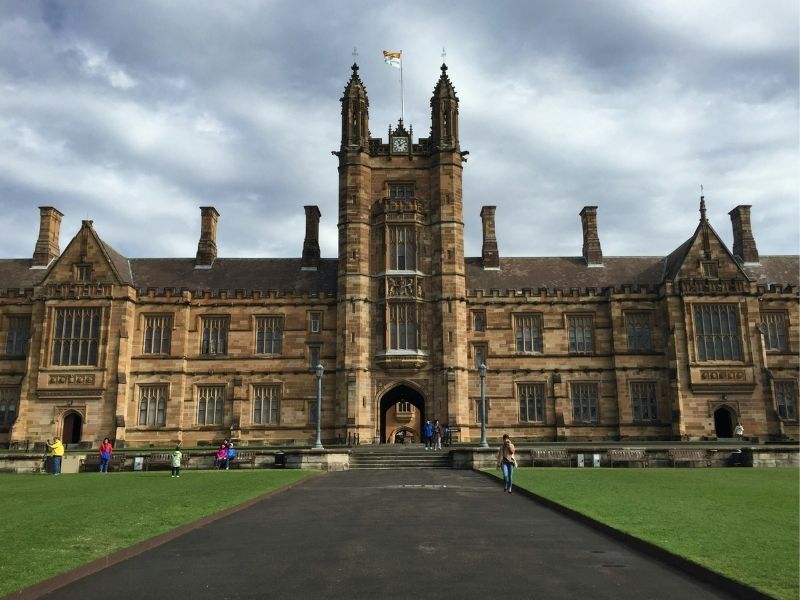
Sydney has the larger shortfall, with CBRE estimating 25,000 beds of unmet PBSA demand in the Central and Inner West around the University of Sydney and UTS.
Melbourne also remains undersupplied, with around 10,000 beds of unmet demand in the CBD and inner north.
Ms Young said Sydney remained the city with the greatest imbalance between demand and supply.
“Sydney remains the city with the greatest demand/supply imbalance both on current PBSA supply levels and including future supply,” she said.
“To grow pipeline in Sydney is going to take an innovative approach, looking at new submarkets away from the traditional university core areas of city fringe and inner west.”
The location equation
More beds do not necessarily mean a better investment. Where those beds are located can make all the difference.
CBRE research shows students place a premium on proximity to campus, with walking distance, short commutes and access to public transport all influencing demand.
That preference is showing up in rental performance.
Median studio rents across CBRE’s Melbourne and Sydney sample increased at a compound annual growth rate of 5 per cent between 2018 and 2026.
Nearly one-quarter of standard suites now rent for more than $700 a week, compared with just 4 per cent in 2023.
Nationally, PBSA rents were 12 per cent above two-bedroom apartment rents in the same precincts at mid-2026.
“PBSA is no different from any other sector; location remains key,” Ms Young said.
“Ideally less than 10 minutes’ walk from a university campus or even better, directly adjacent.”
But location alone does not command a premium. Students are also choosing between competing properties based on the experience they offer.
“Word of mouth referrals and online reviews are key drivers for students when deciding on which individual PBSA property to choose,” Ms Young said.
“Ultimately, it is these factors that drive rental premiums.”
Top marks for resilience
The supply shortage and rental growth outlook support the investment case for PBSA.
Cap rates have remained broadly stable over the past 18 months, with demand for newly built, high-quality investment stock and prospects for rent growth supporting pricing.
CBRE Head of Research, Pacific, Sameer Chopra, said that while student accommodation had performed incredibly well over the last few years, the sector faced some headwinds in the near term.
“Like other sectors, development remains challenging as a result of high construction and finance costs,” he said.
But those same development challenges could also continue to constrain new supply.
Mr Chopra said the longer-term outlook remained positive.
“Offset against that, however, is the longer-term view: the counter-cyclical benefits of PBSA being that education and housing are two of the most resilient areas in any economic slowdown, together with longer-term rental growth potential, driven by the potential for restricted future supply,” he said.