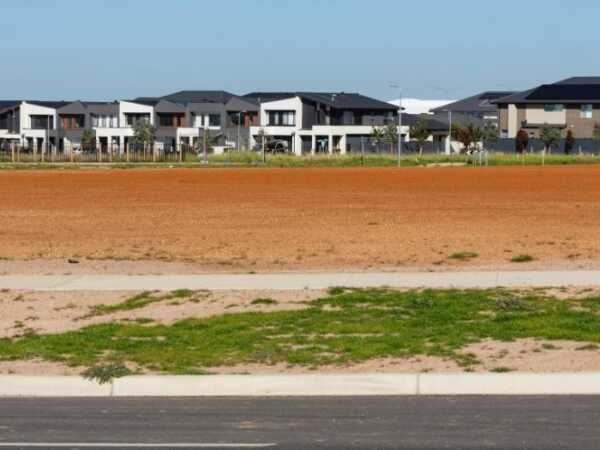



Home development in Australia is one of the most exciting - and potentially lucrative - ways to enter the property market. But it’s not for the faint-hearted. From navigating zoning rules to managing budgets, building a team, and reading market trends, aspiring developers face a complex web of decisions.
For those willing to do their homework, however, the rewards can be significant. This guide breaks down the essentials of getting started in home development, from understanding property types and financing options to assembling the right team and minimising risks.
Understanding Property Development
At its core, property development is about taking land or property, improving it, creating value, whether through new builds, renovations, or conversions, and then selling it at a profit.
The main types of development include:
- Residential Development: Homes ranging from single-family houses to apartments and townhouses.
- Commercial Development: Offices, retail spaces, and other business-focused properties.
- Mixed-Use Development: Combining residential, commercial, and public spaces to create vibrant, multi-use precincts.
While property development can be highly rewarding, it also carries risks. Aspiring developers should carefully research markets, understand local planning rules, and seek mentorship or professional advice to avoid costly mistakes.
For more information on choosing the right type of development see our article on How to choose the right development site for your project.
The Appeal of Property Development
- Potential Profitability: Well-chosen projects can deliver strong financial returns.
- Market Growth: Urban and regional markets continue to present opportunities as populations expand and infrastructure evolves.
- Flexibility and Variety: Developers can work on a range of projects, allowing their creativity and strategic thinking to shape outcomes.
Even with these advantages, it’s important to remember that property development is not a guaranteed path to profit. Thorough preparation, market understanding, and risk management are essential.
Essential Steps to Get Started
Research and Market Analysis
Successful developers know their market. Start by identifying high-potential areas, such as emerging suburbs or regions with planned infrastructure upgrades. Use tools like CoreLogic, local real estate websites, and demographic data to understand demand, pricing, and growth trends.
Education and Mentorship
While formal degrees are not always required, several avenues can enhance your knowledge, including:
- Courses and Certifications: Consider enrolling in property development courses offered by universities or industry organisations.
- Mentorship and Coaching: Learning from experienced developers can save years of trial-and-error. Seek out mentors in the field for real-world insight and guidance.
Financial Considerations
Understanding the financial side of property development is crucial for success.
Financial Planning and Funding Options:
- Traditional Financing: This includes bank loans and mortgages, which often require a solid credit score and substantial down payments. This route offers lower interest rates but can be less flexible.
- Alternative Funding: Private investors or crowdfunding platforms can provide additional backing for your projects, offering quicker access to capital but potentially higher costs.
Understanding Budgeting and Financial Planning
Budgeting is critical - factor in land acquisition, construction costs, permits, and a contingency buffer. Seek advice from financial experts to align funding with your project strategy.

Building Your Professional Network
In property development, who you know can be just as important as what you know. A strong professional network opens doors, provides guidance, and can help you navigate challenges before they become costly mistakes.
Why Networking Matters
Connecting with the right people, such as industry experts and local stakeholders, will provide insight, opportunity, and a competitive edge.
Practical ways to build your network include:
- Engage with Professionals: Attend property seminars, join industry associations, and leverage platforms like LinkedIn to connect with developers, architects, builders, and financiers.
- Tap into Local Communities: Participate in council meetings, business networking events, and local development forums to meet planners, real estate agents, and community leaders who can influence your project.
Strong relationships can help you identify prime development opportunities, anticipate regulatory hurdles, and access mentorship — all essential for a successful project.
Building Your Team
No developer succeeds alone. Assemble a trusted team to guide your project from concept to completion:
- Architects: Transform ideas into buildable designs.
- Builders: Turn designs into reality while keeping quality and costs in check.
- Financial Advisors: Ensure budgets and funding structures are sound.
Networking with local professionals and industry groups is just as important. Strong relationships can help you navigate obstacles, access opportunities, and avoid costly missteps.
Navigating Legal and Regulatory Requirements
Compliance is a foundation of any successful property development. Understanding zoning laws, planning regulations, and permit requirements is critical before breaking ground.
Obtaining Permits and Approvals
- Research Local Requirements: Know exactly which approvals and permits your project needs — rules vary by council and region.
- Prepare Accurate Documentation: Incomplete or incorrect applications are a common source of costly delays and frustration.
- Avoid Common Pitfalls: Track submission timelines, follow regulatory updates, and maintain clear records to prevent compliance issues.
Professional legal advice is essential. Skipping it may save time upfront, but can lead to fines, project halts, or expensive rectifications down the track. Engaging a lawyer who specialises in property development protects both your investment and your timeline.
Leveraging Technology in Property Development
Modern tools can give developers a serious edge, helping projects stay on schedule, on budget, and on target.
Key ways technology can streamline development:
- Project Management Platforms: Tools like Trello or Asana help track timelines, delegate tasks, and monitor budgets, keeping your project organised from start to finish.
- Data Analytics and Drones: Advanced analytics and drone surveys improve planning accuracy, uncover potential site issues early, and reduce costly mistakes.
While technology can boost efficiency and provide valuable insights, it should complement rather than replace professional guidance and careful planning. Relying solely on software without expert advice can leave gaps in compliance, design, or financial management.
Overcoming Common Challenges
There is no doubt that property development can be rewarding, but it comes with risk. Anticipating challenges and planning ahead is essential to protect both your investment and your timeline.
Key risks to watch for:
- Financial Risks: Market fluctuations can affect profitability. Always build contingency funds into your budget.
- Market Risks: Shifts in local demand or buyer preferences can influence project viability.
- Legal Risks: Non-compliance with zoning, planning, or permit requirements can lead to fines, delays, or even project shutdowns.
One of the best ways to navigate these risks is to learn from real-world examples. Studying both successes and failures in property development reveals practical lessons and highlights pitfalls to avoid - giving you a clearer path to a successful project.
The Final Word
Property development in Australia offers the chance to create valuable and high-return assets, but success demands preparation, insight, and professional guidance.
Start by researching your market, understanding your financing options, and building a competent team. Leverage technology to streamline operations, but never underestimate the value of expert advice at every step.
With careful planning, risk management, and a strong network, aspiring developers can navigate the complexities of home development and create projects that not only deliver profits but also shape communities.