

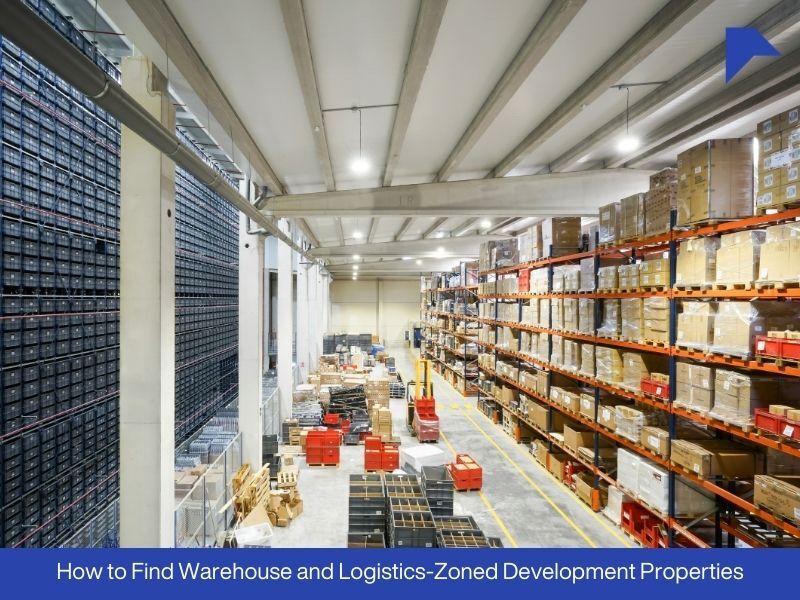
Introduction to Warehouse and Logistics-Zoned Properties
Warehouse and logistics properties are at the centre of Australia’s industrial real estate boom, driven by the rise of e-commerce and the demand for faster, smarter supply chains.
Sites zoned for industrial use - designed for storage, distribution, and logistics - have shifted from routine assets to strategic locations that can define operational efficiency and investment returns. Understanding which sites allow these activities and how to navigate the regulations that govern them is critical.
From zoning regulations and market trends to council engagement and investment strategies, this guide provides a practical roadmap to identify and secure warehouse and logistics-zoned properties across Australia.
Understanding Zoning Regulations
Zoning dictates how land can be used and what types of structures are permitted. For investors, these classifications directly influence operational capacity, development potential, and long-term value.
The Role of Zoning in Property Development
Zoning classifications determine the type of activities allowed on a property, which directly influences its value and potential for development. Properties zoned for industrial use can accommodate structures designed for manufacturing, warehousing, and distribution. Compliance with zoning laws can maximise your property's potential. For example, certain zones may have less restrictive regulations on building heights or operational hours, which can be beneficial for logistics operations.
For more information on zoning, check out Australian Building & Zoning Codes.
Navigating Planning Portals
Each state has its own planning portal, and knowing how to use these is a critical resource for locating and assessing potential properties:
- Search by Property: Use addresses or parcel numbers to locate precise zoning information.
- Use the Spatial Viewer: Examine zoning maps and classifications across regions.
- Review Planning Certificates and DAs: Understand development permissions and restrictions in detail.
Mastering these tools clarifies what’s permissible on each site and supports better investment decisions.
Evaluating Market Trends
Current Demand in Industrial Real Estate
Demand for warehouse and logistics properties is surging, particularly for last-mile delivery hubs near urban centres. Investors should assess:
- Proximity to major highways, ports, and airports.
- Availability of skilled labour in the area.
- Infrastructure readiness, including utilities and connectivity.
Key Evaluation Criteria for Investment
When analysing potential properties, focus on:
- Location: Efficient access to transport networks reduces costs and improves supply chain speed.
- Accessibility: Ensure ease of movement for vehicles and employees.
- Financial Metrics: Review rental yields, capitalisation rates, and projected growth based on market forecasts.
These metrics help identify high-performing properties while mitigating investment risks.
Strategies for Finding Properties
Locating the right warehouse and logistics-zoned properties involves using a mix of online tools and expert resources.
Using Key Platforms
Digital listings are an essential starting point.
Platforms like CommercialReady and DevelopmentReady provide comprehensive information, including zoning classification, land size, and development history. Development Approval (DA) tracking tools can also help you stay updated on developments in your target area.
Direct Purchase vs. Working with Agents
Choosing the right acquisition method depends on strategy and experience. While working with agents can yield unique insights and access to exclusive listings, direct purchases can save on commission costs.
Consider these pros and cons:
- Agents: Provide access to off-market and pre-market listings, expert negotiation and local market knowledge.
- Direct Purchases: Offer savings on commission and control over the purchasing process
Evaluating these approaches ensures alignment with business objectives and investment priorities.
Case Studies of Successful Industrial Developments
Examining successful case studies of high-profile distribution centres in major logistics hubs can provide invaluable insights. Key takeaways include:
- Engage councils early to clarify regulations and approvals.
- Conduct thorough due diligence before purchase.
- Plan for scalability and future growth in site design.
Understanding these factors helps replicate success in industrial property investment.
Local Government Support and Infrastructure Developments
Overview of Available Grants and Support Programs
Government initiatives can enhance project feasibility. Search for financial incentives, grants for infrastructure improvements, and zoning adjustments to reduce costs and improve Return on Investment. Engaging with local governments can unlock additional resources tailored to boost industrial development.
Future Infrastructure Insights
Investors should monitor upcoming projects, such as new transport links, road expansions, and logistics networks. Properties near planned infrastructure gain value and operational advantages, offering a strategic edge.
The Final Word
Warehouse and logistics zoned properties are high-value, strategic assets, but success depends on more than location. Understanding zoning regulations, tracking market trends, leveraging digital platforms, and engaging with local governments is essential to securing sites that support efficient operations and long-term growth.
Key actions to keep in mind:
- Study Zoning Rules: Review state and local regulations before assessing sites.
- Monitor Market Trends: Focus on areas with rising demand for logistics and industrial operations.
- Engage Government: Clarify zoning restrictions, approvals, and available support programs.
- Assess Operational Value: Check access to transport networks, scalability, and infrastructure readiness.
A structured approach that combines zoning analysis, market insight, and professional guidance will help you find properties that fit your operational requirements and offer genuine potential.