


Key Takeaways:
- Track policy, not just listings: Monitor government planning portals for early rezoning amendments to spot opportunities months before they hit the retail market.
- Follow the infrastructure: Target sites aligned with government transport upgrades to benefit from faster approvals and stronger long-term growth.
- Validate zoning immediately: Always verify classifications, density limits, and overlays to ensure the land actually supports your development strategy.
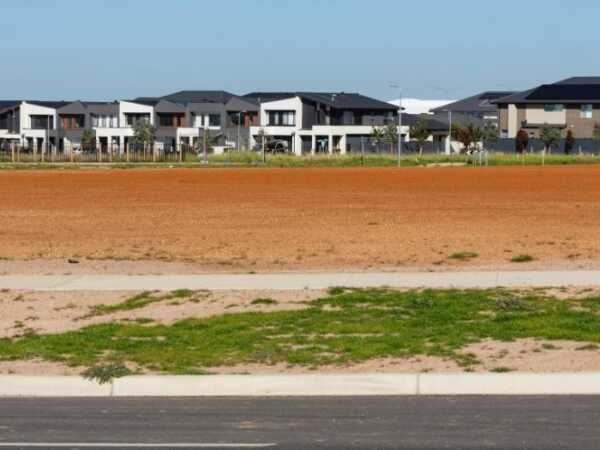
Every week, fresh new land releases hit the market across Australia. For investors and developers, these new releases can open the door to genuine development opportunities - provided they are identified early and assessed properly.
New Land releases occur when state governments, local councils or private developers bring land forward for development, typically after rezoning, structure planning or major infrastructure commitments. In recent years, the pace of release has accelerated, driven by mounting housing pressure and a wave of planning reform aimed at increasing land supply and speeding up approvals.
Against that backdrop, knowing where to look and how to evaluate what is coming to market matters more than ever. From planning portals and zoning controls to financial considerations, this guide breaks down the strategies required to track new land releases, assess their development potential and move with confidence.
Understanding Government Land Initiatives
Australian land supply is overwhelmingly policy-led. Ultimately, government programs shape where new land is unlocked, its speed of progression, and which sites will experience the least development friction.
For anyone serious about property development or long-term land investment, mapping these initiatives is non-negotiable. Understanding the government's roadmap empowers you to:
- Move First: Secure high-potential land before the broader market catches on.
- De-Risk Approvals: Target sites with streamlined rezoning and fewer bureaucratic hurdles.
- Leverage Infrastructure: Align your projects with funded, long-term transport and utility upgrades.
Federal and State Government Programs
Planning reform across Australia is focused on one primary goal: removing systemic choke points to bring shovel-ready land to market faster.
While statutory details differ by state, policy momentum across the country shares three clear priorities:
- Streamlined Approvals: Standardising zoning controls and fast-tracking assessment pathways for high-priority sites.
- Transit-Oriented Density: Unlocking higher yields around existing transport hubs and planned infrastructure corridors.
- De-Bottlenecking Supply: Overhauling outdated local planning schemes that have historically stalled development.
Why it matters: Government-backed corridors provide a natural hedge against planning risk. Sites aligned with these priorities benefit from faster approvals, priority utility rollouts, and resilient long-term capital growth.
Local Resources
Knowing where to look is half the battle. Key state and local resources give investors and developers a front-row seat to opportunities before they hit mainstream listings:
- State Planning Portals: Each state has its own portal to track planning proposals, development documents, and zoning classifications.
- Local Council Websites: Councils regularly publish updates on land releases, public consultations, and community development plans.
- Regularly monitoring the portals and councils relevant to your target area will allow you to identify opportunities early.
Engaging with Real Estate Platforms
Once land is formally released, specialist real estate sites become useful. Trusted platforms such as Development Ready provide visibility over available lots, pricing and staging timelines.
Factors to Consider When Searching for Land
Even the best lead won’t guarantee success without careful analysis. The commercial outcome depends on critical factors such as zoning certainty, regulatory clarity and financial planning.
Understanding Zoning Laws and Regulations
Zoning determines what can be built, how quickly it can proceed and whether a site can evolve. Before committing, confirm zoning classifications and permissible uses, including minimum lot sizes, height limits, density controls and any applicable overlays.
Key steps include:
- Check local classifications: Ensure the land suits your intended use - residential, commercial, or mixed-use.
- Expert guidance: Engaging a planning consultant or property lawyer is often a prudent step, particularly in growth areas where controls are evolving.
Financial Considerations
Land ties up capital long before it generates a return, so a clear financial strategy is essential. Buyers should assess all available finance options, including land loans and any applicable government incentives. First-home buyer schemes and state grants can influence demand and resale dynamics.
Market analysis remains critical. Understanding comparable sales, absorption rates and infrastructure delivery timelines helps distinguish future value from present speculation.
Insights into the Future of Land Development
Land development follows people, jobs and transport. Developers and investors who anticipate where growth will occur position themselves ahead of the curve.
Current Market Trends and Economic Factors
Population, migration patterns, urban expansion and changing work habits all impact demand. Growth is concentrating around transport nodes, employment hubs and lifestyle-driven regional centres. Governments are responding by prioritising land releases in these areas, often tied to rail, road and utilities investment.
Testimonials and Case Studies
Looking closely at completed land release developments that have succeeded or underperformed offers practical insight. The strongest outcomes tend to share a common set of conditions:
- Clear alignment with government growth strategies and infrastructure sequencing.
- Early and ongoing engagement with planning authorities and local councils.
- Sites secured during rezoning or structure-planning phases, rather than after controls were finalised.
Study what has worked on the ground to inform your decisions.
Conclusion: Securing the First-Mover Advantage
Finding profitable land releases requires discipline, not luck. To succeed, look beyond standard listings by tracking infrastructure, monitoring planning portals, and engaging early with rezoning phases. This strategy allows you to align projects with government growth corridors and acquire high-potential sites before competition spikes.
Ultimately, success depends on timing and validation. Identify emerging releases, verify zoning controls, and move decisively. A proactive system to assess these opportunities is what separates speculation from profitable development.
Frequently Asked Questions
1. How do I find new land releases before they are publicly advertised?
Monitor state planning portals and local council registers during draft amendment and Precinct Structure Plan (PSP) exhibition stages. This reveals where land will be unlocked months before developers launch marketing campaigns.
2. What is the typical timeline from land release to title registration?
For master-planned greenfield estates, the timeline from initial lot release (pre-sale) to civil construction completion and official titling generally ranges from 12 to 24 months. Staged releases within established estates or smaller infill subdivisions can be faster depending on existing utility connections and council sign-offs.
3. What key risks should developers and investors verify before buying?
Before committing to an early release, always verify:
- Planning overlays: Check for environmental, flood, bushfire, or heritage overlays that restrict building envelopes or add compliance costs.
- Infrastructure delivery: Confirm that essential services (water, sewer, electricity, and road access) are funded and scheduled for delivery alongside the land.
- Developer contribution levies: Account for statutory infrastructure contributions (such as local and state infrastructure levies), which directly affect project margins and holding costs.
The content in this article is general in nature and does not take into account your personal financial situation, objectives, or needs. It is not professional advice. Always consult with a qualified financial advisor, planner, or legal professional before making any commercial real estate decisions.