

Introduction
The Australian office property market is moving through one of its most interesting periods in decades. The way businesses use space has changed, and the commercial real estate market has changed with it.
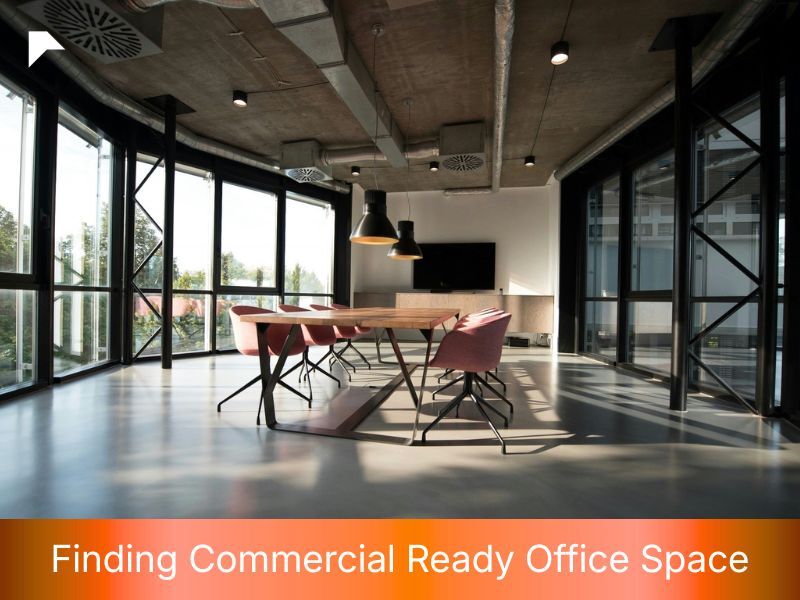
Commercial-ready office space that provides fully equipped environments ready for immediate occupancy suits a wide range of businesses, from growing independents to established corporates looking to right-size their footprint. In Australia, this type of property has become increasingly valuable as companies adapt to changing work dynamics influenced by factors like remote work and the rise of flexible office arrangements.
This guide covers what buyers and investors need to know, from reading current market conditions and evaluating properties to navigating the purchase process across metropolitan, suburban, and regional settings.
Current Market Trends
The pandemic changed how Australian businesses think about office space, and the effects are still playing out.
Impact of Remote Work on Demand for Office Space
Hybrid work is now the dominant model across much of the Australian workforce. Businesses are balancing in-office and remote arrangements, and that shift has reduced appetite for large, traditional corporate floors, driving demand for smaller, more flexible spaces that can accommodate teams of varying sizes on any given day.
Rise of Flexible Workspaces and Suburban Markets
Co-working environments have moved from the niche to the mainstream. For startups and smaller businesses, they offer a cost-effective alternative to long-term leases, with the added benefit of built-in flexibility as headcount changes.
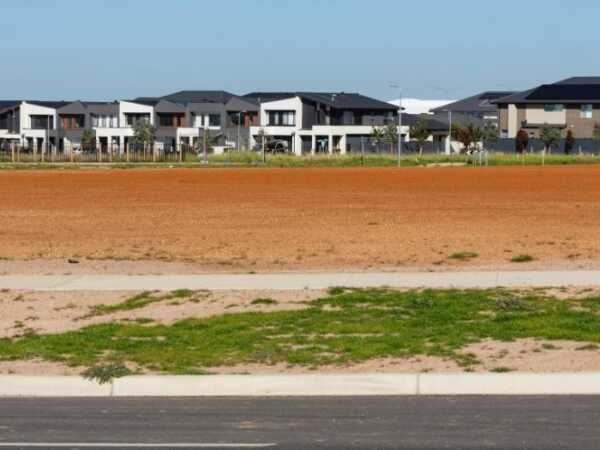
Suburban office markets are also gaining ground. As businesses look beyond city centres, lower rents, improved local amenities, and easier access for staff are making suburban locations a practical and increasingly attractive option.
Identifying Your Needs
Getting the property decision right starts with an honest assessment of what your business actually needs.
Assessing Business Requirements
Two considerations should anchor the search:
- Size and Layout: Calculate space requirements based on current team size and anticipated growth. An open floor plan works well for collaborative teams; separate offices better serve businesses where privacy and focus matter.
- Accessibility and Location: The right location is convenient for both clients and staff. Proximity to public transport and local amenities directly affects how attractive the space is to the people who need to use it daily.
Understanding Budget and Financing
The buy versus lease decision carries long-term financial consequences and deserves careful analysis:
- Purchasing Costs: Account for the purchase price, property taxes, insurance, and ongoing maintenance.
- Leasing Costs: Factor in recurring lease payments, potential rent increases over the lease term, and maintenance responsibilities.
- Financial Incentives: Government grants and regional incentive programs may be available to business owners in specific areas, and can meaningfully offset initial costs. Research what applies to your location before finalising a budget.
Evaluating Commercial Properties
A thorough property evaluation can be the difference between a sound investment and an expensive mistake.
Property Valuation Techniques
A Comparative Market Analysis (CMA) is one of the most reliable tools for assessing value. By examining recently sold or leased properties of similar size and type in the same area, buyers can establish realistic price expectations and identify whether an asking price reflects true market value.
Rental income potential is equally important for investors, as it determines what yield the asset can realistically generate.
Key Considerations for Office Spaces
Two factors carry the most weight when assessing a commercial office property:
- Building Condition and Amenities: The physical state of the building directly affects its value and its appeal to tenants. Properties with modern infrastructure, including high-speed connectivity and contemporary workspaces, consistently attract stronger rental rates.
- Building Condition and Amenities: The physical state of the building directly affects its value and its appeal to tenants. Properties with modern infrastructure, including high-speed connectivity and contemporary workspaces, consistently attract stronger rental rates.
Navigating the Buying Process
A structured approach to purchasing commercial office space reduces risk and avoids the delays that come from moving too quickly.
Steps to Buying Office Space in Australia
- Preparing Documentation: Secure pre-approval for financing before making offers. Conduct thorough due diligence on any property under serious consideration, covering financial performance, legal standing, and physical condition.
- Working with Real Estate Professionals: Commercial property specialists bring market knowledge and access to listings that general searches won’t surface. Engaging an experienced agent early in the process is time well spent.
Financing and Legal Considerations
Financing options for commercial property buyers include:
- Traditional Bank Loans: The most common route, requiring a solid credit profile and detailed financial documentation.
- Alternative Financing: Non-bank lenders and other funding structures offer flexibility for buyers who don’t fit standard lending criteria.
Lease agreements and zoning regulations deserve close attention regardless of financing method. Both can place material constraints on how a property can be used, and misreading either can create significant operational problems down the line.
Future Outlook and Trends in Commercial Real Estate
The office market is not standing still, and investors who track where it is heading will be better positioned than those who don’t.
Predictions for Office Space Demand in the Coming Years
Hybrid work models are here to stay, and demand for flexible, adaptable office space will continue to grow as businesses lock in arrangements that work for distributed teams. Sustainable buildings equipped with smart technology are also attracting increasing attention as environmental considerations move further up the corporate agenda.
Keeping Ahead of Market Changes
Two reliable ways to stay informed:
- Real Estate Market Reports: Major real estate firms publish regular market updates covering pricing trends, vacancy rates, and demand forecasts across key precincts.
- Networking: Industry events and professional connections surface opportunities and intelligence that don’t appear in public listings.
The Final Word
The right commercial office space is out there, but finding it takes preparation. Understanding how the market is moving, evaluating properties with rigour, and working through the purchase process methodically are what position buyers for a sound outcome. Always explore current listings, engage specialists who know the commercial market, and make decisions grounded in data rather than instinct.