

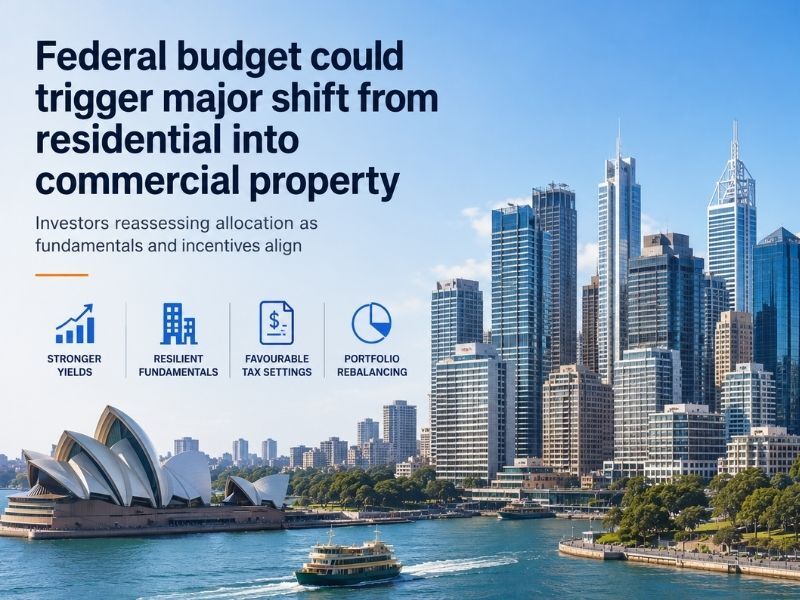
Australia’s 2026–27 Federal Budget may unintentionally accelerate a major reallocation of private investment capital away from residential housing and toward commercial real estate, according to commercial property advisory firm Advise Transact and property research group Quantify Strategic Insights.
While much of the political focus surrounding the Budget has centred on housing affordability and increasing supply, both groups believe the more significant long-term consequence may be a fundamental reshaping of investor behaviour across Australian property markets. The Federal Government’s proposed changes to capital gains tax treatment and the increasing emphasis on directing negative gearing benefits toward new-build housing are designed to stimulate housing construction and improve affordability outcomes.
However leading commercial property specialist and Advise Transact Managing Director Mark Wizel says the reforms may simultaneously force investors to reassess whether residential property still offers the strongest risk-adjusted returns.
“The Federal Budget may have unintentionally created one of the strongest arguments for commercial property investment we’ve seen in years,” Mr Wizel said. “For decades, Australian investors have defaulted to residential property because of familiarity and tax effectiveness. What this Budget potentially does is force investors to reassess whether the risk-adjusted returns still stack up.”
Historically, residential property has dominated private investment portfolios due to favourable tax treatment, banking accessibility, strong capital growth psychology and household familiarity with the asset class.
But both firms argue that many of those traditional advantages are now beginning to narrow.
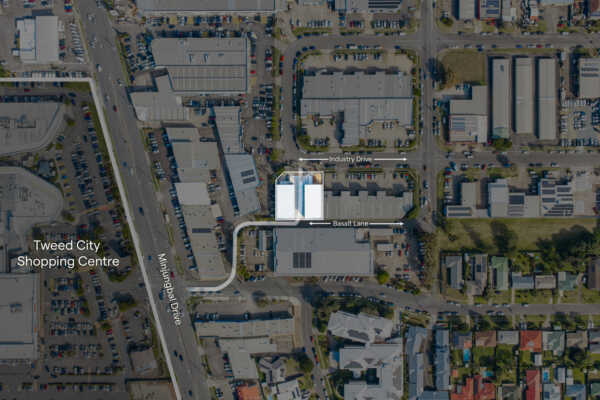
At the same time, investors are gaining increasing access to smaller-scale commercial investments that were previously viewed as institutional-only opportunities. Long WALE leased assets, healthcare tenants, convenience retail centres and industrial properties are increasingly accessible to private investors seeking stronger income returns and more defensive tenancy profiles.
According to Quantify Director Rob Burgess, one of the key assumptions underpinning the Government’s housing strategy may prove problematic.
“The Budget assumes investors will simply redirect capital from established housing into new housing,” Mr Burgess said.
“But that ignores the reality of feasibility. If new housing is too expensive, too slow or too risky to deliver, some investors will not move into new dwellings, they will move out of residential property altogether.”
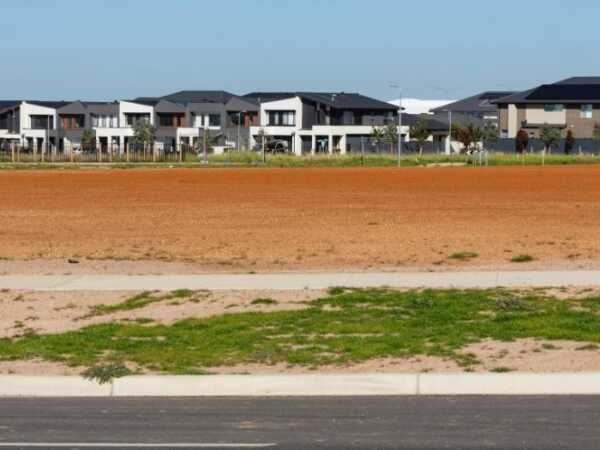
Construction costs, infrastructure charges, land values, planning delays and affordability constraints continue placing pressure on residential development feasibility, particularly in infill markets where governments are targeting increased density and supply.
Advise Transact and Quantify believe this may ultimately lead some investors to seek sectors with stronger income visibility and more direct demographic demand drivers.
Importantly, many of the Federal Government’s largest spending commitments are concentrated in sectors that directly occupy commercial real estate, including healthcare, infrastructure, defence and logistics. That spending is expected to support long-term demand growth for medical centres, industrial logistics facilities, defence-related manufacturing accommodation, convenience retail and essential-service-based commercial assets.
Mr Wizel says this dynamic may create a stronger long-term investment case for parts of the commercial property sector than many investors currently recognise.
“The irony is that while the Government is trying to stimulate housing supply, it may simultaneously be encouraging more sophisticated investors to redirect capital toward commercial assets with stronger yields, longer leases and government-backed demand drivers, this may be in the form of direct investment or investment into property syndicates and funds,” Wizel said.
Both firms believe the commercial sectors best positioned to benefit include healthcare real estate, childcare, industrial logistics, convenience retail and assets located within major infrastructure and population growth corridors.
Mr Burgess says the mobility of private capital is often underestimated in housing policy discussions.
“The risk is that policy makers underestimate how mobile private capital is,” he said. “If investors decide the residential risk-return equation no longer stacks up, the outcome may not be more housing supply. It may be less private rental stock and more capital flowing into commercial assets.”
The groups also believe Australia is entering a period where private investors are increasingly thinking more like institutional capital allocators than traditional residential investors. Yield durability, tenant covenant quality, depreciation benefits, rental escalation mechanisms and sector-specific tailwinds are becoming increasingly central to investment decision-making.
According to Mr Burgess, the strongest opportunities will likely emerge in sectors supported by long-term demographic fundamentals.
“The best commercial property opportunities will be in locations where the demographic fundamentals are strongest, with population growth, ageing, household formation and service demand underpinning a compelling investment case,” he said.
Advise Transact and Quantify believe the Budget may ultimately accelerate the institutionalisation of private capital across Australian real estate markets.
While residential property will remain a foundational asset class, both firms say the longstanding assumption that residential property is automatically the superior investment vehicle is now being challenged more directly than at any point in recent decades.