

Key Takeaways:
- Budget for compliance, not just acquisition: Upgrading historic structures to modern building codes often far exceeds the initial purchase price.
- Verify zoning before envisioning design: Converting a church into a home or business requires formal council approval since most sit on non-residential, special-use land.
- Factor in heritage and community sentiment: Preserving iconic architectural features is often legally mandated by local overlays and critical for winning planning approval.
The number of churches for sale in Australia is evolving, as religious institutions divest surplus property. These buildings, often steeped in history and architectural charm, present a range of opportunities outside the conventional property categories.
Church buildings attract investors, developers and private buyers seeking affordable entry points, redevelopment opportunities, or unique residential outcomes. In some rural markets, asking prices can be remarkably low. However, low purchase prices do not equate to low-risk investments.
This guide outlines the types of churches for sale, their potential uses, the buying process, and the cultural and regulatory considerations that shape outcomes in this niche segment of the Australian property market.
Understanding the Types of Church Properties Available
Church buildings vary widely in age, condition and architectural style. Understanding these differences is critical before assessing feasibility or value.
Unique Architectural Features
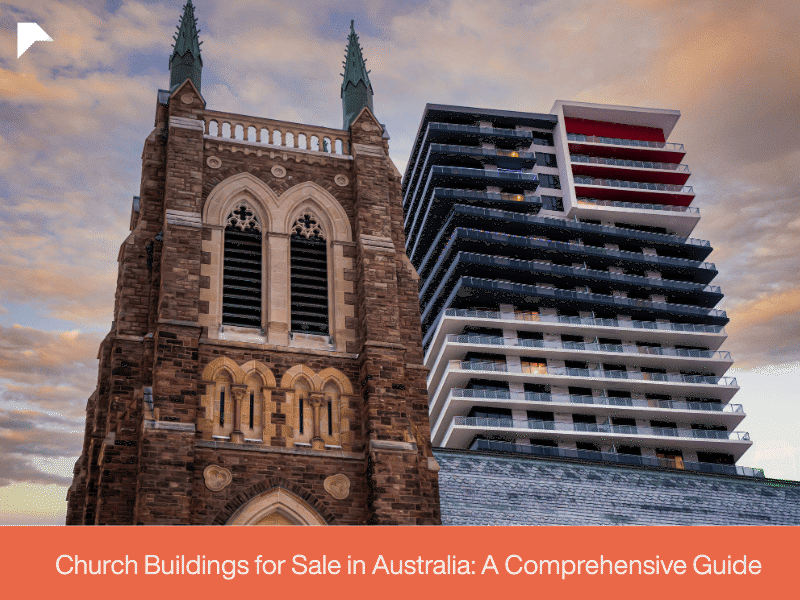
Many church buildings feature design elements rarely found in modern construction. High ceilings, stained glass windows, timber trusses and masonry walls are common, reflecting Gothic, Romanesque and early modern architectural traditions. These features can add character and long-term value, but they also introduce complexity. Retaining original elements may increase upfront costs and limit design flexibility, while extensive alterations can trigger heritage approval processes.
Price Ranges and Affordability
One of the most compelling aspects of church properties is their affordability. While metropolitan or architecturally significant buildings can reach into the millions, there is a substantial selection available for under $50,000, particularly in rural areas. This affordability opens the door for a wider range of buyers. However, it’s important to approach the headline price with caution. Acquisition costs may be low, but renovation, compliance and ongoing maintenance costs can vary widely, depending on location, condition and regulatory requirements.
Exploring Potential Uses for Church Buildings
Church buildings can be transformed into striking homes or vibrant commercial spaces, breathing new life into historic structures and unlocking their full potential.
Conversion into Residential Spaces
Residential conversion is one of the most popular pathways. Typical approaches include:
- Retaining structural features such as beams and stained glass while upgrading services.
- Creating open-plan living areas that capitalise on ceiling height.
- Introducing modern amenities without compromising heritage elements.
Successful conversions demonstrate that character can coexist with contemporary living. However, maintenance costs and heritage constraints must be carefully assessed against the intended level of renovation.
Commercial Opportunities
Beyond residential use, church buildings can support a range of commercial uses. Cafés, galleries, studios and hospitality venues have all emerged from former religious spaces. The appeal lies in the ambience and architectural character of these spaces, which can enhance customer experience and brand identity.
At the same time, commercial conversions face additional hurdles, including compliance with building codes, accessibility standards and zoning restrictions. Not every site is commercially viable, and it’s important to do your due diligence.
The Buying Process for Church Properties
Acquiring a church property comes with its own distinct considerations relative to the market.
Key Considerations for Buyers
Before proceeding, buyers should assess:
- Structural condition and likely renovation costs.
- Heritage status and associated limitations.
- Community context and suitability of intended use.
Specialist inspections are strongly recommended, particularly where buildings are older or have been vacant for extended periods.
Regulatory and Legal Issues
Regulatory complexity is one of the defining risks of church property acquisition. Buyers should familiarise themselves with:
- Local zoning laws that may limit property usage.
- Required permits for renovation or conversion projects.
- Potential legal hurdles linked to the building's heritage status.
Engaging professionals with expertise in heritage and adaptive reuse projects can provide invaluable guidance and prevent costly delays and compliance issues.
Cultural and Historical Significance of Church Properties
The Role of Churches in Australian Communities
Church buildings hold a special place in Australian communities. Even if they no longer serve congregations, many remain symbolic landmarks, reflecting shared histories, social connections, and local identity. Recognising this cultural context is important, as it influences how properties are perceived and accepted by surrounding communities.
For buyers, this matters in practical ways. Community expectations and local sentiment can affect planning approvals, particularly where major changes are proposed. Retaining visible elements of a church’s original character is often encouraged and, in some cases, expected.
Approaching the acquisition with awareness of both community values and heritage requirements ensures that projects are respectful, feasible, and well-received.
The Final Word
Buying a church building is unlike purchasing any other property. These sites offer space, character and history that cannot be replicated - but they also demand careful thought. Planning controls, heritage status, structural condition and community expectations all shape what is realistically possible after settlement.
For buyers considering a former church as a home or redevelopment project, clarity of purpose matters. Understanding how the building can be used, what must be preserved and what can be changed should come before price considerations. With the right due diligence and professional advice, church properties can be adapted successfully. Without it, even well-priced buildings can prove challenging.
Frequently Asked Questions
1. Can any church building in Australia be converted into a private home?
Not automatically. Churches are typically situated on land zoned for community or special use rather than residential. Converting them requires a change of use and a planning permit from the local council. Approval generally depends on:
Local planning schemes and zoning restrictions.
Surrounding land use and parking availability.
Respect for existing heritage protections.
2. Why are some rural churches listed for under $50,000?
While regional church prices can be incredibly low, this usually reflects major deferred maintenance and compliance hurdles. These properties frequently lack modern infrastructure (like mains water, sewerage, and insulation) and may contain hazardous materials like asbestos. Ultimately, the cost of upgrading the building to meet National Construction Code (NCC) standards often far exceeds the purchase price.
3. How do heritage overlays impact what can be changed inside and outside the church?
A heritage listing dictates how renovations must be done, though it rarely prevents them entirely. Local overlays typically protect:
- External features: Stained glass, masonry, belfries, and rooflines.
- Internal elements: Original timber trusses and flooring.
Any alterations will require a heritage impact assessment and specialist approvals, which can limit layout changes and require traditional, higher-cost building materials.
The content in this article is general in nature and does not take into account your personal financial situation, objectives, or needs. It is not professional advice. Always consult with a qualified financial advisor, planner, or legal professional before making any commercial real estate decisions.