Research commissioned by the Property Council of Australia and prepared by Solve Property Group has identified a gap between the amount of industrial land shown in planning figures and what can actually be serviced, accessed and developed.
The study examined 424 industrial precincts across Greater Sydney, the Hunter and Central Coast, and Illawarra Shoalhaven, finding much of the state’s industrial land constrained by infrastructure, access, planning and market availability.
We spoke to Property Council NSW Executive Director Katie Stevenson about what the findings mean for NSW’s industrial land pipeline.
The Land on Paper Problem
The research found Greater Sydney has 4,228 hectares of industrial land supply, including 2,035 hectares of short-to-medium term supply subject to servicing and 2,192 hectares of longer-term potential supply.
That is materially lower than the amount of undeveloped industrial land reported through government monitoring because not all zoned land can be delivered in the near term.
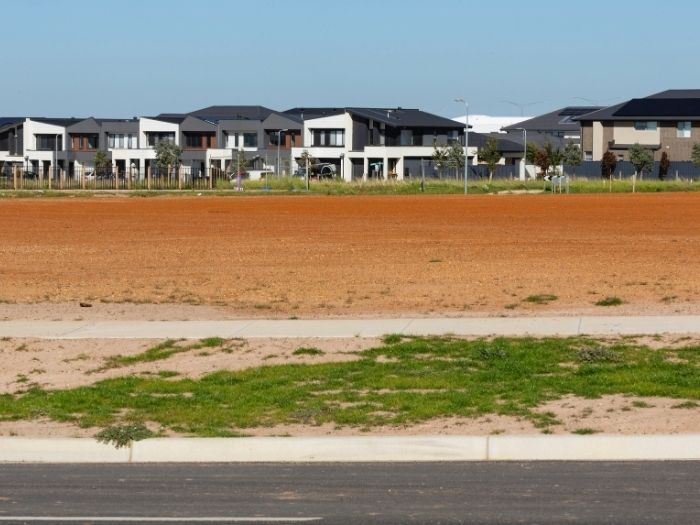
The findings highlight the difference between land that is zoned for industrial use and land that is actually available for development.
Infrastructure timing, freight access, utility capacity, environmental constraints, ownership and development controls can all restrict what can be delivered.
“Across NSW there’s a substantial amount of industrial land on paper, but much of it is not yet serviced, constrained by infrastructure, or not available to the market in the timeframe businesses need,” Ms Stevenson said.
“Businesses can’t build warehouses, logistics facilities, manufacturing plants or industrial services on a zoning map. They need roads, freight access, power, water, sewer and planning certainty.”
More Jobs, More Pressure
The report projects employment across industrial precincts will increase from around 562,000 jobs in 2021 to almost 799,000 by 2036 – an increase of more than 42 per cent.
That growth will require industrial land for warehouses, logistics, freight, building supplies, data centres and other urban services.
Industrial land also supports housing delivery, with new housing estates requiring places to store, stage and distribute building materials, while growing communities need freight, logistics, repair services, trade suppliers and local employment.
“Industrial land underpins almost every part of the economy. It’s where goods are stored, distributed and manufactured,” Ms Stevenson said.
“If development-ready supply is constrained, it shows up through higher costs, reduced productivity, pressure on housing and infrastructure delivery, and a less competitive NSW economy,” she said.
From Map to Market
The Property Council is calling for better reporting on development-ready industrial land, including servicing constraints, infrastructure delivery timing, freight accessibility and market availability.
It also wants the NSW Government to work with landowners and industry to identify sites that are zoned but cannot be practically developed or brought to market.
“The research and the NSW Industrial Lands Action Plan point to the same conclusion: more land needs to be serviced and brought to market, not just rezoned,” Ms Stevenson said.
That means accelerating enabling infrastructure including roads, freight access, water, sewer, electricity and other utilities.
“It’s about getting the right infrastructure to the right industrial land at the right time so businesses can invest, build and create jobs,” she said.