

Introduction
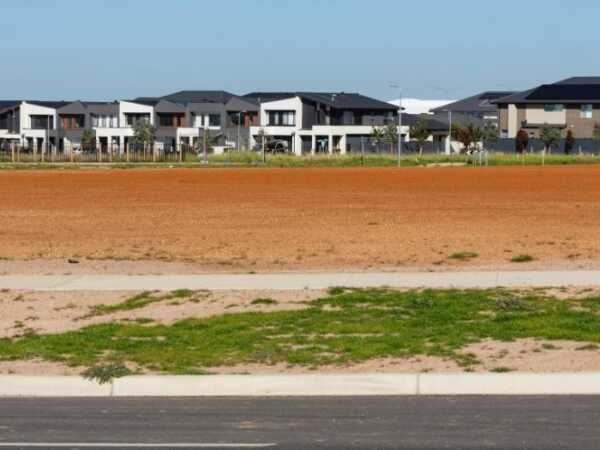
Suburban mixed-zoned development sites are increasingly important in Australian property markets as demand shifts toward integrated living environments outside traditional inner-city cores. These sites typically allow a combination of residential and commercial uses, often in the form of shop-top housing, neighbourhood centres or mixed-use developments positioned along transport corridors and main streets.
For developers, investors and buyer’s agents, the opportunity lies in identifying sites where planning controls support intensification while still aligning with local demand and infrastructure capacity. This requires a structured approach that combines planning analysis, market awareness and rapid feasibility testing.
Why suburban mixed-use opportunities matter
Suburban mixed-use development responds to both policy direction and market demand. Councils are encouraging higher-density development in areas close to transport and existing amenity, while buyers and tenants increasingly prefer locations that offer convenience and accessibility.
From a commercial perspective, mixed-use projects can provide diversified income streams, combining residential sales or rental income with retail or commercial leasing. This diversification can improve resilience, particularly in suburban markets where demand drivers vary across asset types.
However, these projects also introduce complexity. Infrastructure constraints, community concerns and higher soft costs related to planning and technical studies need to be factored into feasibility from the outset.
Identifying viable suburban locations
The first step in sourcing mixed-zoned sites is selecting the right suburbs and corridors. Areas with strong population growth, planned infrastructure upgrades and established or emerging high streets tend to offer the most potential.
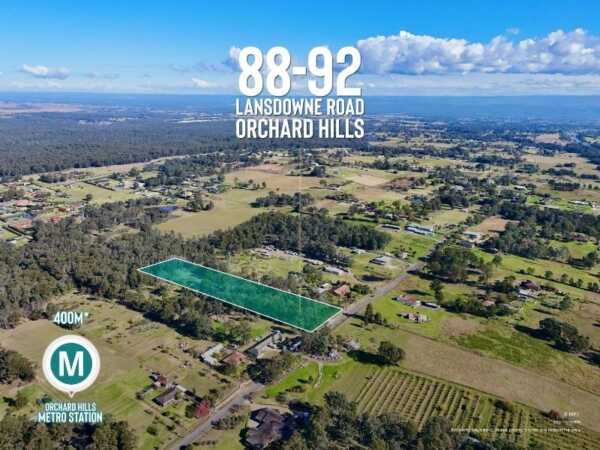
Transport accessibility is a key factor. Sites located within walking distance of train stations or major bus corridors are more likely to support higher density and achieve stronger sales or leasing outcomes. Proximity to retail, education and employment nodes further enhances demand.
Understanding local demographics also plays a role. Suburbs with growing populations and evolving housing needs often present stronger opportunities for mixed-use development, particularly where existing infrastructure can support additional density.
Using planning systems to identify opportunities
Planning portals and council mapping systems are the most reliable tools for identifying mixed-zoned land. These platforms allow developers to review zoning classifications, height limits, floor space ratios and overlays that affect development potential.
Common zoning categories that support mixed-use development include local centre, mixed-use and certain commercial zones. However, each site must be assessed individually, as planning controls can vary significantly between jurisdictions and even within the same local government area.
Overlay analysis is equally important. Heritage, flood, bushfire and contamination overlays can introduce additional requirements or restrict development outcomes. Identifying these constraints early helps avoid pursuing sites that are unlikely to proceed.
Building an effective sourcing strategy
A combination of on-market and off-market sourcing provides the most comprehensive coverage. Listing platforms offer visibility of available sites and help establish pricing benchmarks, but many viable opportunities are not publicly advertised.
Engaging with local agents, buyer’s agents and developer networks can uncover off-market sites, particularly those held by long-term owners or underutilised assets. Direct outreach to property owners can also be effective, especially when supported by a clear acquisition brief and a credible development strategy.
Maintaining a structured approach to sourcing ensures that opportunities are assessed consistently and efficiently.
Applying a quick feasibility framework
Once potential sites are identified, a rapid feasibility assessment helps determine whether they warrant further investigation. This involves estimating buildable floor area based on planning controls, allocating space between residential and retail uses and calculating potential unit yield.
Revenue assumptions should be based on realistic market benchmarks, taking into account local sales rates and rental levels. Construction costs, including both hard and soft costs, need to be applied conservatively, with allowances for contingencies and potential delays.
The objective at this stage is to establish whether the project can meet minimum return thresholds. Sites that do not meet these thresholds under conservative assumptions should generally be deprioritised.
Understanding planning pathways and timelines
Approval pathways for suburban mixed-use developments vary depending on the existing zoning and the scale of the proposal. Where zoning already supports the intended use, a development application may be sufficient. In other cases, a rezoning or planning proposal may be required to increase density or change permitted uses.
Approval timelines can range from several months for straightforward applications to well over a year for more complex projects involving rezoning or significant community consultation. These timelines should be incorporated into feasibility assessments, along with associated costs such as consultant fees and council charges.
Early engagement with council can provide valuable insight into approval requirements and potential risks, helping to refine the development strategy before significant costs are incurred.
Conducting detailed due diligence
Due diligence for mixed-use sites includes confirming title details, identifying easements or covenants and reviewing any existing leases that may affect redevelopment. Planning due diligence involves verifying zoning, overlays and development controls, as well as reviewing any previous applications or approvals associated with the site.
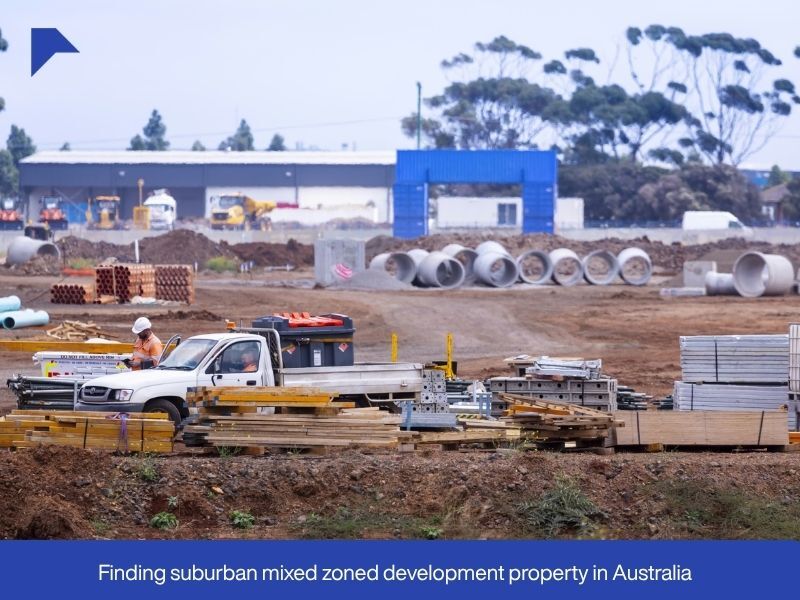
Physical site conditions must also be assessed. Contamination, access constraints and infrastructure capacity can all influence development feasibility. Where risks are identified, specialist reports may be required to quantify their impact.
Structuring transactions and managing risk
Acquisition strategies should be designed to protect feasibility. Conditional contracts allow time to complete due diligence and secure planning approvals, while option agreements can provide control of a site without immediate commitment.
Negotiation should reflect planning and technical risks. Pricing may need to account for potential remediation costs, approval uncertainty or infrastructure requirements. Structuring settlements to align with key milestones can also provide flexibility during the development process.
Applying financial discipline
A simple financial model is essential for early-stage decision-making. By estimating total development cost and comparing it with projected gross development value, developers can assess whether a project meets target margins.
Sensitivity analysis is critical. Variations in sales prices, construction costs or planning outcomes can significantly affect profitability. Testing these scenarios ensures that projects remain viable under different conditions.
Practical examples
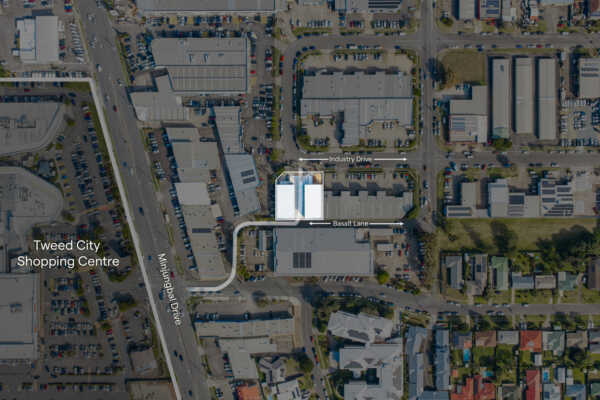
Mixed-use developments on suburban corner sites often benefit from strong retail activation and efficient residential layouts, allowing for relatively straightforward approval pathways where zoning is supportive. In contrast, off-market sites with technical challenges such as contamination can offer better pricing, but require careful management of risk and cost.
These examples highlight the importance of balancing opportunity with feasibility, and of validating assumptions early in the process.
Final perspective
Suburban mixed-zoned development is a repeatable process when approached with the right framework. Identifying growth areas, using planning tools to filter sites, applying disciplined feasibility analysis and managing risk through structured transactions are all critical components.
Developers and investors who combine planning expertise with market insight are better positioned to identify viable opportunities and deliver successful mixed-use projects in suburban Australian markets.