


The Australian property market is entering 2026 on solid ground, following a strong 2025 across industrial, retail, office, and residential sectors. Tight supply and fierce competition are set to define the year, as investors and tenants chase prime opportunities. We spoke to Colliers’ senior executives to map the outlook across each sector.
Industrial and logistics: Queensland leads as demand outpaces supply
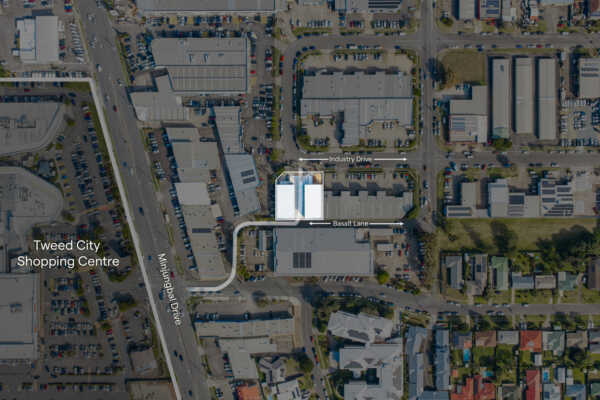
Industrial and logistics markets delivered one of their strongest performances on record in 2025, with investment volumes reaching $6.7 billion — well above long-term averages.
Queensland recorded its highest year ever, fuelled by elevated investment demand, major infrastructure projects, and strong rental growth, while structural undersupply kept vacancy tight at 3-4 per cent
Capital shifted toward states with more favourable tax settings, while lower interest rates supported financing, according to Gavin Bishop, Managing Director of Industrial & Logistics.
“Lower interest rates improved financing conditions and absorption consistently outpaced new supply, supporting ongoing rental growth even as Sydney and Melbourne began to stabilise,” he said.
Looking to 2026, he expects liquidity and transaction volumes to rise, offshore capital to stay active, and lower interest rates to underpin pricing stability.
“We anticipate some yield compression, renewed participation from core investors and the early stages of a new development cycle as pre-commitment activity gathers momentum,” he said.
Office: Domestic buyers return as markets stabilise
The office investment market in 2025 was dominated by Sydney CBD, with institutional investors targeting scarce, high-quality stock.
Syndicates also increased activity across metro and fringe locations, benefiting from rising opportunities as the market moved into a recovery phase.
Matthew Meynell, Managing Director of Office Capital Markets & Investment Services, said investors are focusing on markets supported by strong occupier fundamentals and assets poised for future income growth.
Looking ahead to 2026, he expects demand for premium office assets to remain a key driver.
“As the office market stabilises, domestic buyers are likely to increase their share of transactions after being net sellers over the past 24–36 months,” he said.
Retail: Resurgent liquidity and competitive bidding
The retail sector experienced a strong resurgence in 2025, with quality assets attracting renewed investor attention.
Limited supply and robust retail sales underpinned confidence, pushing competitive bidding for prime centres.
Lachlan MacGillivray, Managing Director of Asia Pacific Retail Capital Markets, said momentum is expected to carry into 2026.
“Chronic undersupply of retail floorspace and robust retail sales performance will continue to underpin investor confidence and drive competitive bidding,” he said.
Residential: Strengthening values amid affordability pressures
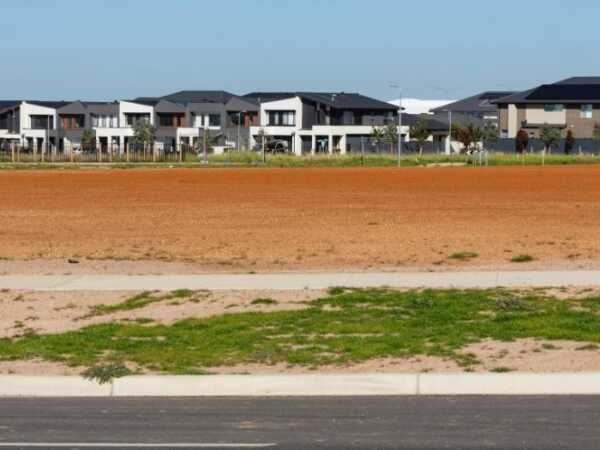
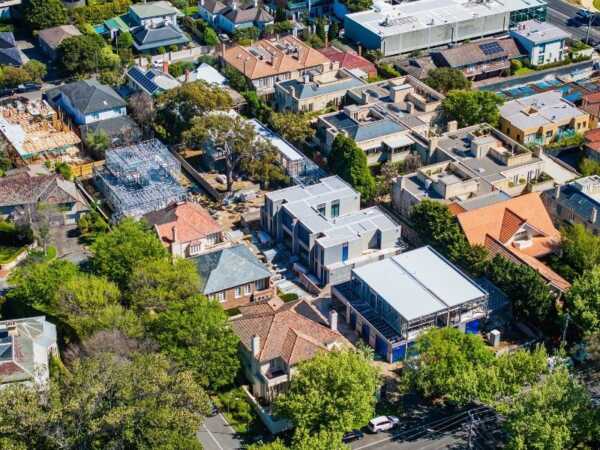
Residential markets strengthened steadily in 2025, with stabilising conditions, rising values, and increased buyer enquiry.
Brisbane overtook Melbourne as Australia’s second most expensive city.
Sydney’s prestige apartment market remained resilient, driven by right-sizers seeking high-end lifestyle options, while Melbourne attracted investors back thanks to strong yields and relative affordability.
“Across the country, demand for smaller two-bedroom apartments dominated, reflecting affordability pressures and the growing appeal to first-home buyers and investors alike,” said Diana Sarcasmo, Managing Director of Residential.
Ms Sarcasmo expects 2026 will be shaped by both supply constraints and affordability challenges — but also by opportunity.
Melbourne and Canberra are entering a recovery phase, offering compelling value and strong rental yields for investors.
Brisbane’s growth will continue, underpinned by infrastructure and Olympic-driven demand.
In Sydney, apartment stock is expected to outperform, while growth corridors in the west and south-west will attract buyers seeking affordability without sacrificing connectivity.
“With rental pressures persisting, we expect more Australians to embrace ‘rent-vesting’ as a strategy to balance lifestyle and investment goals,” she said.